

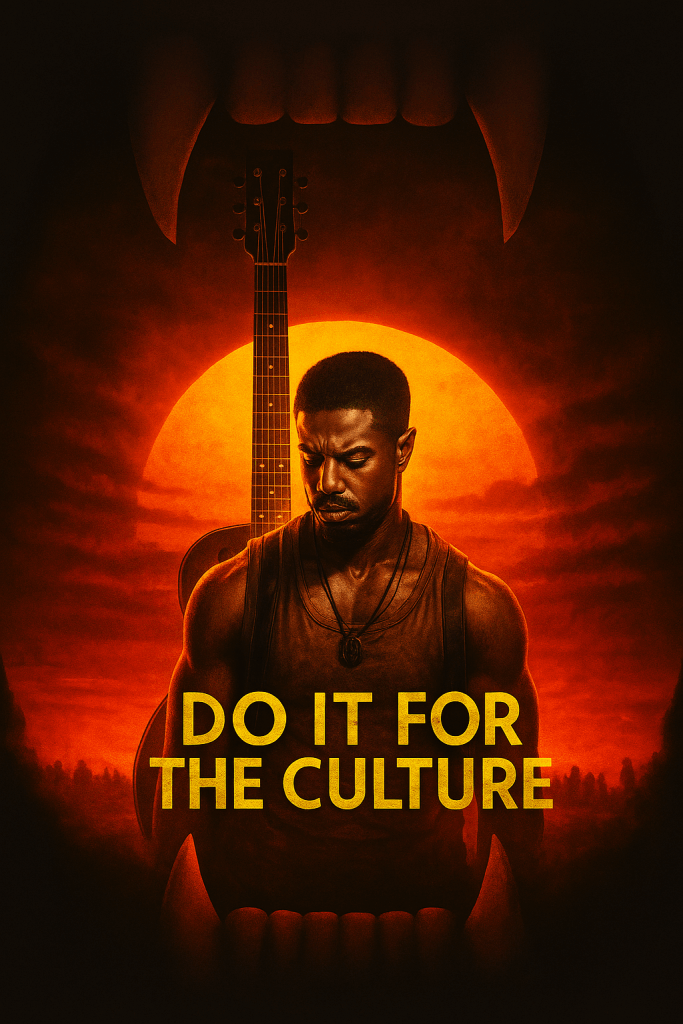
I never saw a single commercial for Sinners on television. But the moment I heard “Black vampires,” I knew I had to see it.
Ryan Coogler’s latest box office hit Sinners, starring his longtime collaborator Michael B. Jordan, has broken records. The film earned $318.9 million globally, scored an A Cinemascore (a rarity for horror), and became the highest-grossing original film opening of the 2020s. But what makes this feat even more impressive is how little traditional advertising was involved.
Yes, the cast did the usual press rounds—morning shows and interviews—but few TV spots aired. Instead, trailers were primarily shared on digital platforms like YouTube, Instagram, and Facebook. So how did Sinners manage to become a cultural phenomenon?
Community-Powered Buzz
Despite the lack of big-budget commercial ads, many of us in the Black community got the message: Sinners was a must-watch. In the month leading up to the release, Black influencers on TikTok, Instagram, Bluesky, and Facebook championed the film—encouraging followers to support it “for the culture.”
I couldn’t scroll through my feed without seeing at least five posts a day hyping the film. After its April 14th release, the floodgates opened. Every third post seemed to be a reaction, a theory, or a passionate plea to see the movie again to catch hidden details. This momentum was only amplified by Coogler and the cast’s strategic community engagement.
Influencers like Jordan Thee Stallion, Straw Hat Goofy, and Nicque Marina created content promoting the film. Coogler and Michael B. Jordan appeared in videos together, joking around, answering questions, and engaging fans directly. They didn’t feel out of reach—they felt like us. The cast responded to comments, collaborated with influencer journalists, and even leaned into culture-specific elements like wearing custom grills to the premiere. The music choices, visual storytelling, and social posts weren’t just promotion—they were cultural touchpoints.
Rooted in Representation
Minor spoilers ahead.
Set in the Mississippi Delta in 1932, Sinners doesn’t shy away from historical trauma: the Klan, lynchings, and the oppressive remnants of slavery all appear. But Coogler doesn’t dwell on those horrors. Instead, he centers the supernatural threat—vampires—allowing fantasy to carry the narrative while still grounding the story in Black Southern culture.
From the opening frame, Coogler crafts a love letter to the Black experience: fish frys, crossroads devils, church choirs, and blues riffs. These elements aren’t exclusive to Black life, but they resonate deeply—and intentionally. The inclusion of Native American hunters and Asian shopkeepers wasn’t just for show; it reflected real community intersections, especially in Southern spaces.
Post-release, cultural consultants and background actors took to social media to praise the film’s attention to detail. Hearing from the expert who helped shape Grace’s (Li Jun Li) character encouraged many who were initially unsure to buy a ticket. The authenticity of the storytelling created something rare: a fantasy film rooted in history that didn’t feel exploitative, but empowering.
The Power of Cultural Conversations
The emotional depth of Sinners led to something money can’t buy: repeat viewership. People returned not just for the visuals, but for the conversation. Discussions about pivotal scenes—like Grace’s betrayal or the symbolism of the baptism—rippled through social media. One powerful commentary came from an Asian influencer who connected Grace’s character arc to real-world dynamics of cultural allyship and harm.
These layered conversations built an “engagement loop.” Unlike a typical marketing funnel that pushes consumers to a one-time purchase, Sinners invited viewers to become part of a cultural moment—one they wanted to return to, share, and reflect on.
I saw it opening night. Two weeks later, I went again with my brother, just to talk through the baptism scene and its deeper meaning.
Marketing Without the Funnel
What Coogler and his team accomplished is more than a movie success—it’s a masterclass in cultural marketing. By embracing authenticity, engaging directly with communities, and collaborating with unpaid influencers, Sinners created its own word-of-mouth ecosystem.
This didn’t happen by accident. It happened because Coogler understood his audience—and met them where they were. He didn’t advertise to us. He spoke with us.
Key Takeaway for Marketers & Creators
Word-of-mouth marketing isn’t passive. It’s built through trust, community engagement, and cultural authenticity. When people feel seen, they don’t just show up—they show out.
And if they really feel it? They show up again.
 Lauren Williams | Strategy & Storytelling
Leave a comment